-
¥2 原价为:¥2。¥1.80当前价格为:¥1.80。
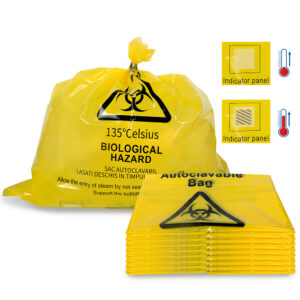
Customized PP high-temperature sterilization biological hazard bags made by Chinese factories
-
¥10.35 原价为:¥10.35。¥9.35当前价格为:¥9.35。
Applicable Scenarios & Core Value
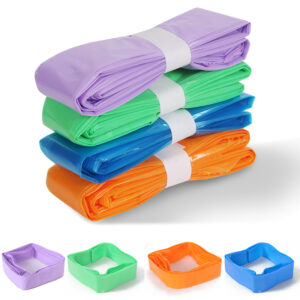
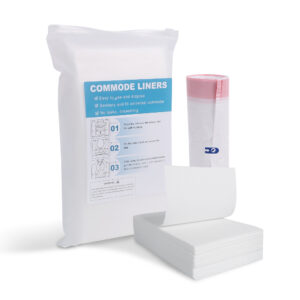
This portable toilet cleaning set is not only suitable for daily home care for bedridden seniors but also ideal for child potty training, outdoor camping, and car emergency use.
Through the dual protection of “bag for containment + pad for absorption,” it successfully achieves a clean, isolated, and convenient replacement process. For hospitals, nursing homes, and family caregivers, this is more than just a practical tool—it is a thoughtful solution that makes caregiving easier and preserves the user’s dignity.
Product Specifications:
- Width: 58cm
- Height: 37cm
- Thickness: 0.026mm
- Material: HDPE (High-Density Polyethylene)
-
¥0.32 原价为:¥0.32。¥0.22当前价格为:¥0.22。
Ensure Safety and Hygiene in Medical Environments
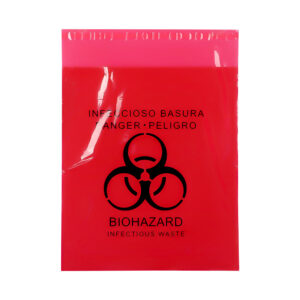
Specially designed for healthcare facilities, these red disposable biohazard bags are made from thickened, puncture-resistant LDPE material. They effectively prevent the leakage of infectious waste, ensuring a safe and hygienic medical environment.
Clear Warning & Easy Identification
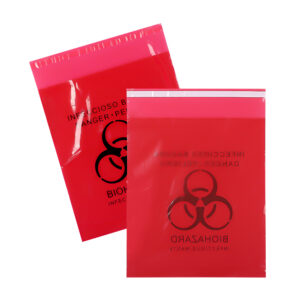
The bag body is printed with the international universal biohazard symbol and bold “BIOHAZARD INFECTIOUS WASTE” lettering. This provides a clear visual warning and facilitates efficient waste sorting and management.
Convenient Self-Adhesive Design
Equipped with a strong self-adhesive strip at the top, these bags can be securely stuck to desktops, walls, or medical carts. This allows medical staff to dispose of waste instantly, significantly improving operational efficiency.
Specifications:
- Size: 32cm x 28cm (Approx. 12.5in x 11in)
- Thickness: 0.03mm (Heavy-duty)
- Material: LDPE (Low-Density Polyethylene)
Ideal for: Clinics, laboratories, hospital wards, and dental offices.
In Stock & Ready to Ship! Perfect for bulk procurement.
1. PP Medical Bags
Core Advantage: This is the only common plastic material capable of withstanding high-pressure steam sterilization (Autoclave). It remains intact without melting or rupturing at temperatures of 121°C or even 135°C.
Look & Feel: Typically rigid and very transparent (like cellophane). It makes a crisp, crackling sound when crumpled.
Applications: Specifically designed for collecting laboratory waste or surgical instruments that need to be processed in an autoclave.
2. HDPE Medical Bags
Core Advantage: Known for being "tough". It has high tensile strength, excellent puncture resistance, and is stiff enough to hold its shape well.
Look & Feel: Usually translucent or milky white (can also be yellow/red). It has a crinkly, paper-like texture and makes a loud noise when rustled, similar to a standard grocery bag but thicker.
Applications: Liners for large trash cans in hospital corridors and wards, or pharmacy bags. Because it is stiff, it fits well over trash bins without collapsing.
3. LDPE Medical Bags
Core Advantage: Known for being "soft" and offering "excellent sealing". It has great stretchability, is tear-resistant, and easy to heat-seal.
Look & Feel: Very soft with a smooth, waxy feel. It has decent transparency but wrinkles easily and is almost silent when handled.
Applications: Ideal for collecting infectious waste without sharp edges (e.g., bloody gauze) or for transporting pathological specimens. Its softness allows it to wrap tightly around contents.
4. High-Temp Label Bags
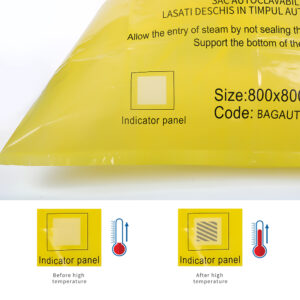
Core Advantage: "Visual Verification". These bags are typically made from PP material (heat-resistant) but feature a special chemical indicator panel.
How it Works: Before sterilization, the indicator panel shows one color (e.g., beige). After exposure to high temperatures (121°C or 135°C), the panel undergoes an irreversible chemical reaction and changes to a different color (e.g., black or dark brown), often revealing words like "STERILE".
Applications: Essential for high biosafety environments (e.g., P2/P3 labs, biopharma facilities). It provides visual proof that the waste has indeed been sterilized, preventing the leakage of untreated infectious waste.